
Rigging out the EOS-M: The only affordable Digital 16 camera
Other than the very rare and expensive Ikonoskop A-Cam dII, the Canon EOS-M is the only pixel to pixel, raw-capturing 16mm (not Super16) camera that can capture an area of the sensor that is very close to an actual frame of 16mm film.
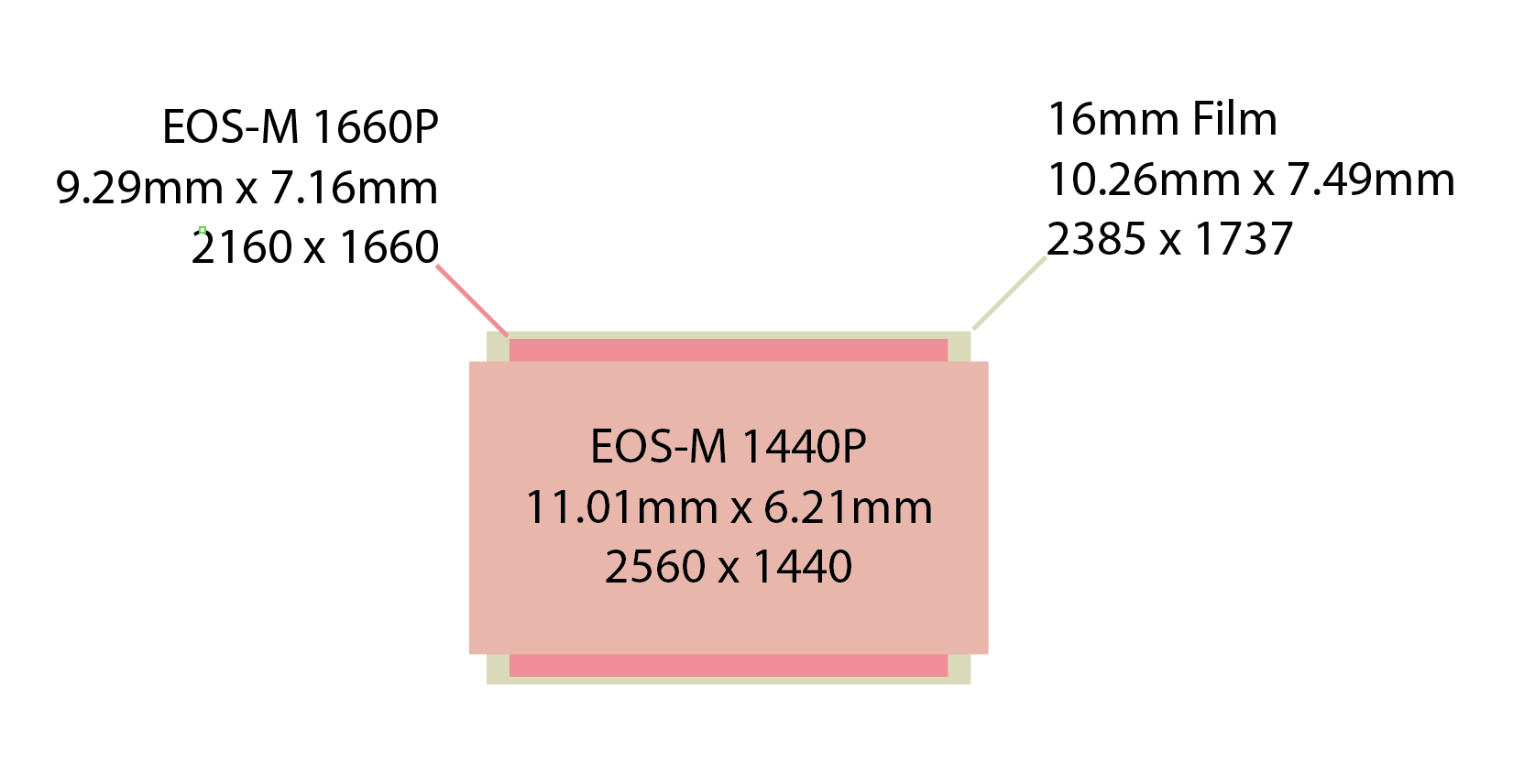
Why does this matter? True S16 lenses are uncommon and expensive, whereas 16mm film lenses are cheap and plentiful. Shooting 16mm film lenses on S16 digital sensors is almost guaranteed to give you vignetting and edge softness. 16mm film lenses paired with 1620P* and 1440P presets allow for full imager coverage, and an aesthetic that is almost indistinguishable from digital Super16.
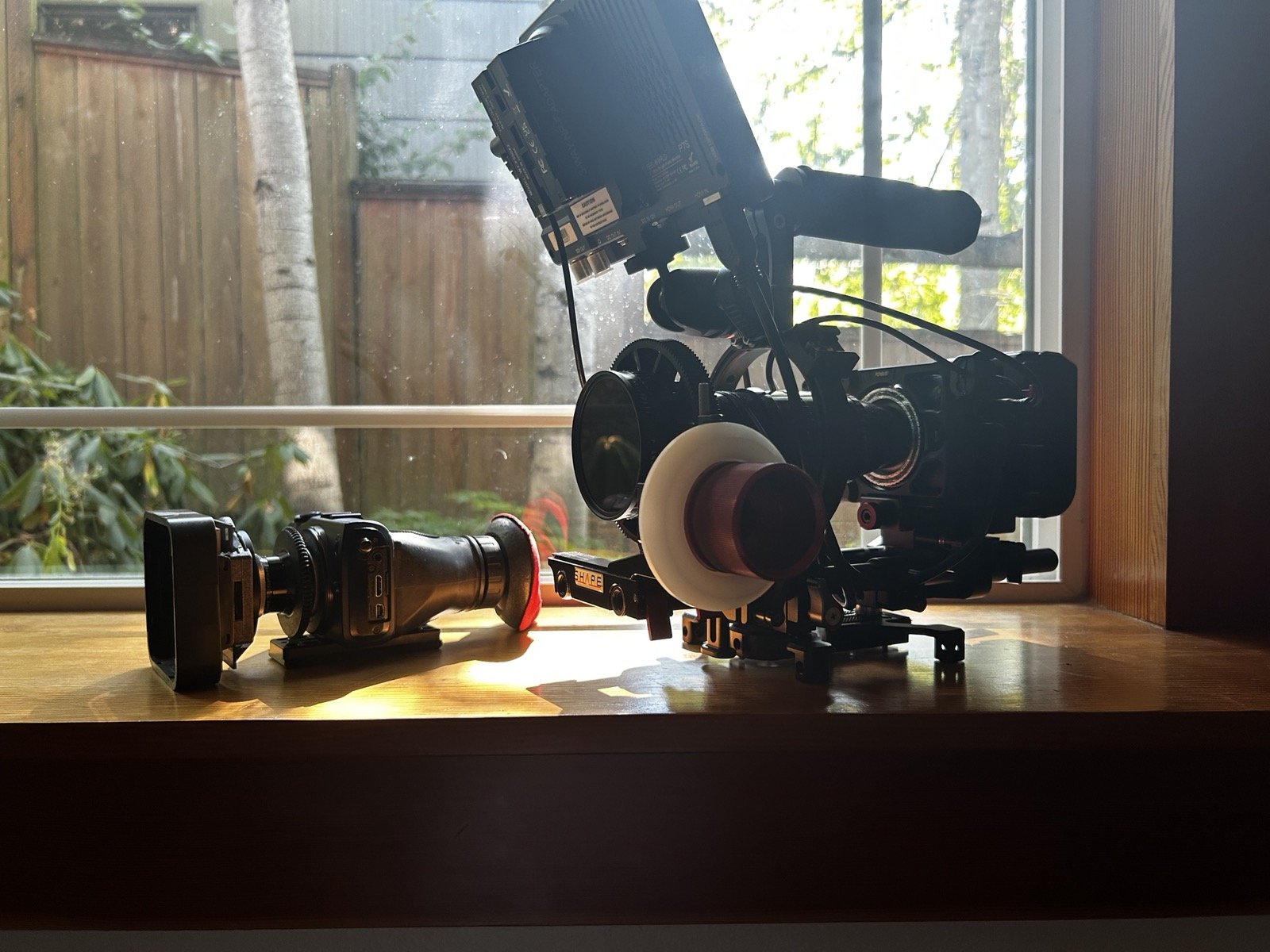
With this in mind, I’ve rigged out both of my EOS-Ms in a way that should stand up to the challenges of actual production.
On the bigger rig, the lens is as an old Angenieux 16mm film zoom.
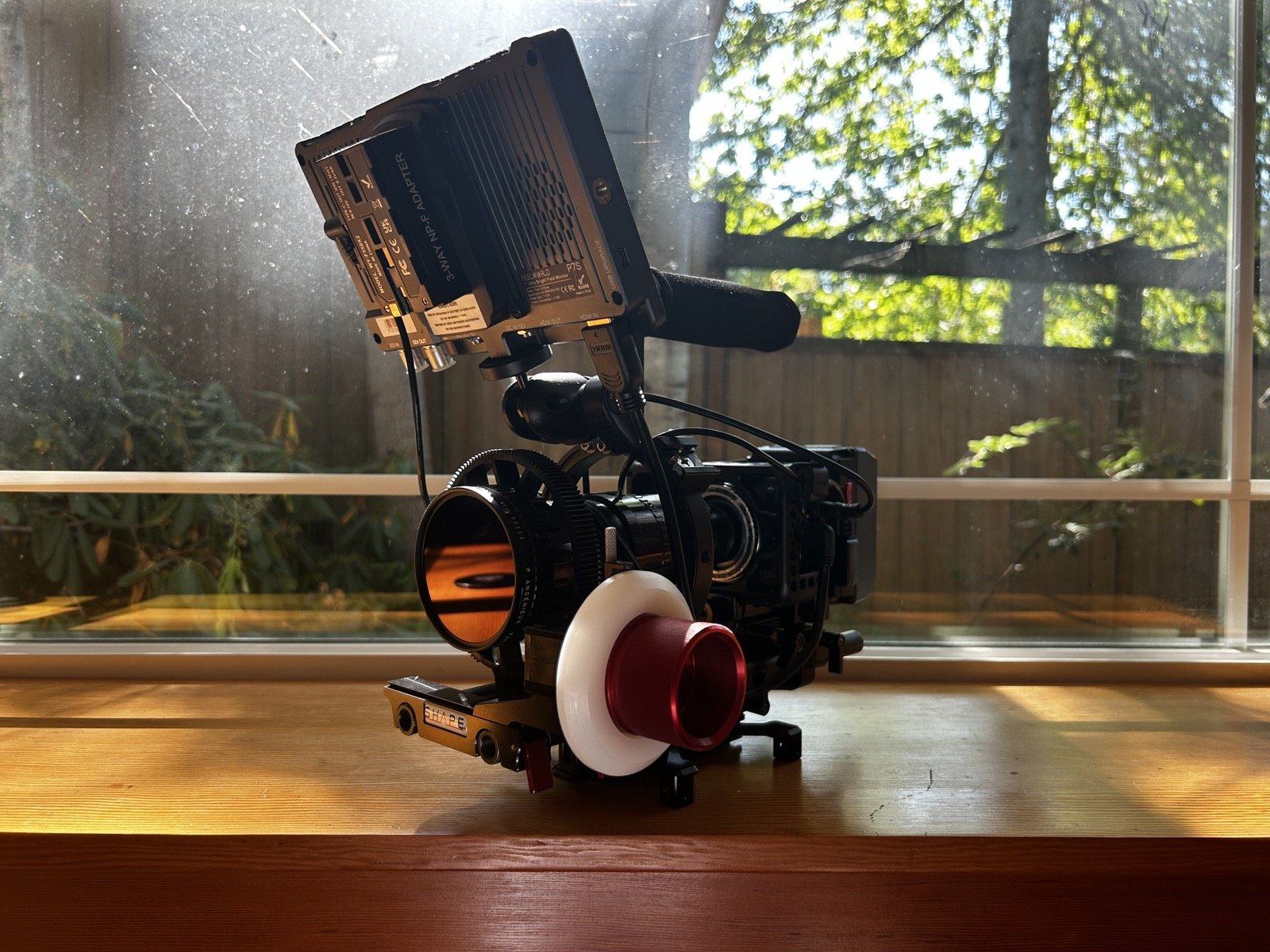
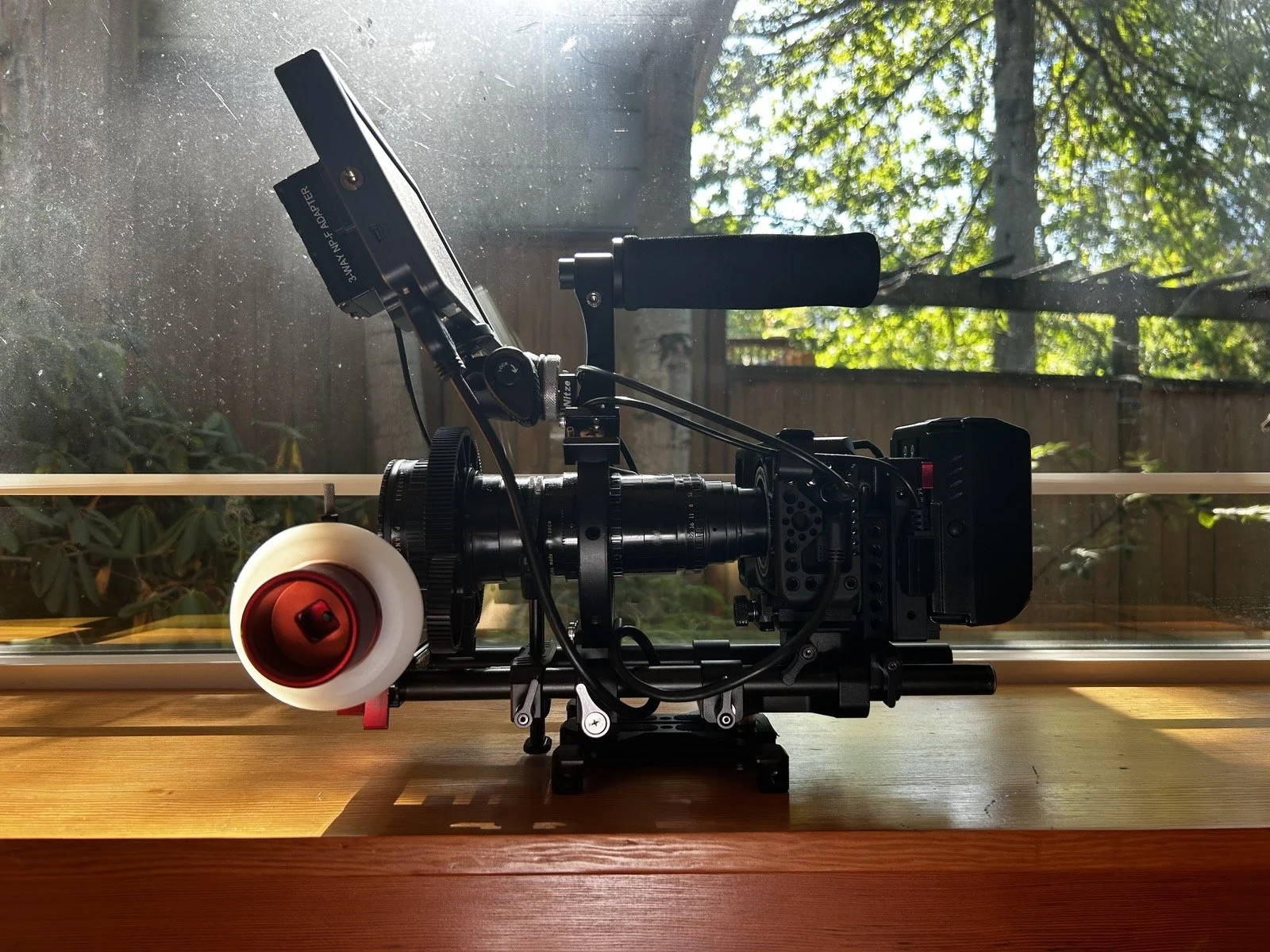
It was a challenge to balance it, especially with the follow focus. But luckily I already had some extra parts, including the unique Skiier O-ring. I’ve snugged the camera inside of a Filmatura Rogue cage with a few set screws so that there never will be any play, even with the longer lens.
The smaller rig is for when I need to be more nimble.
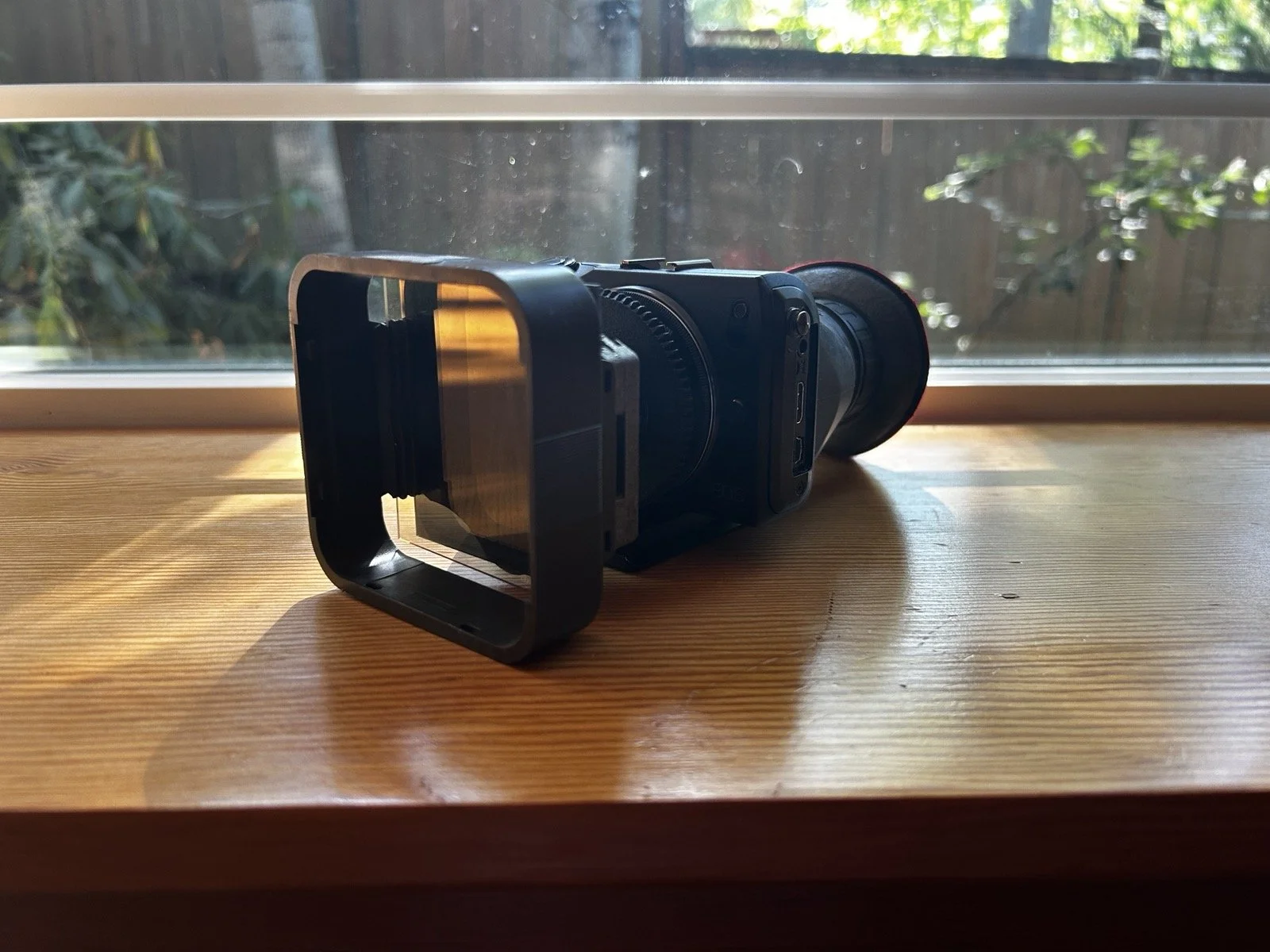
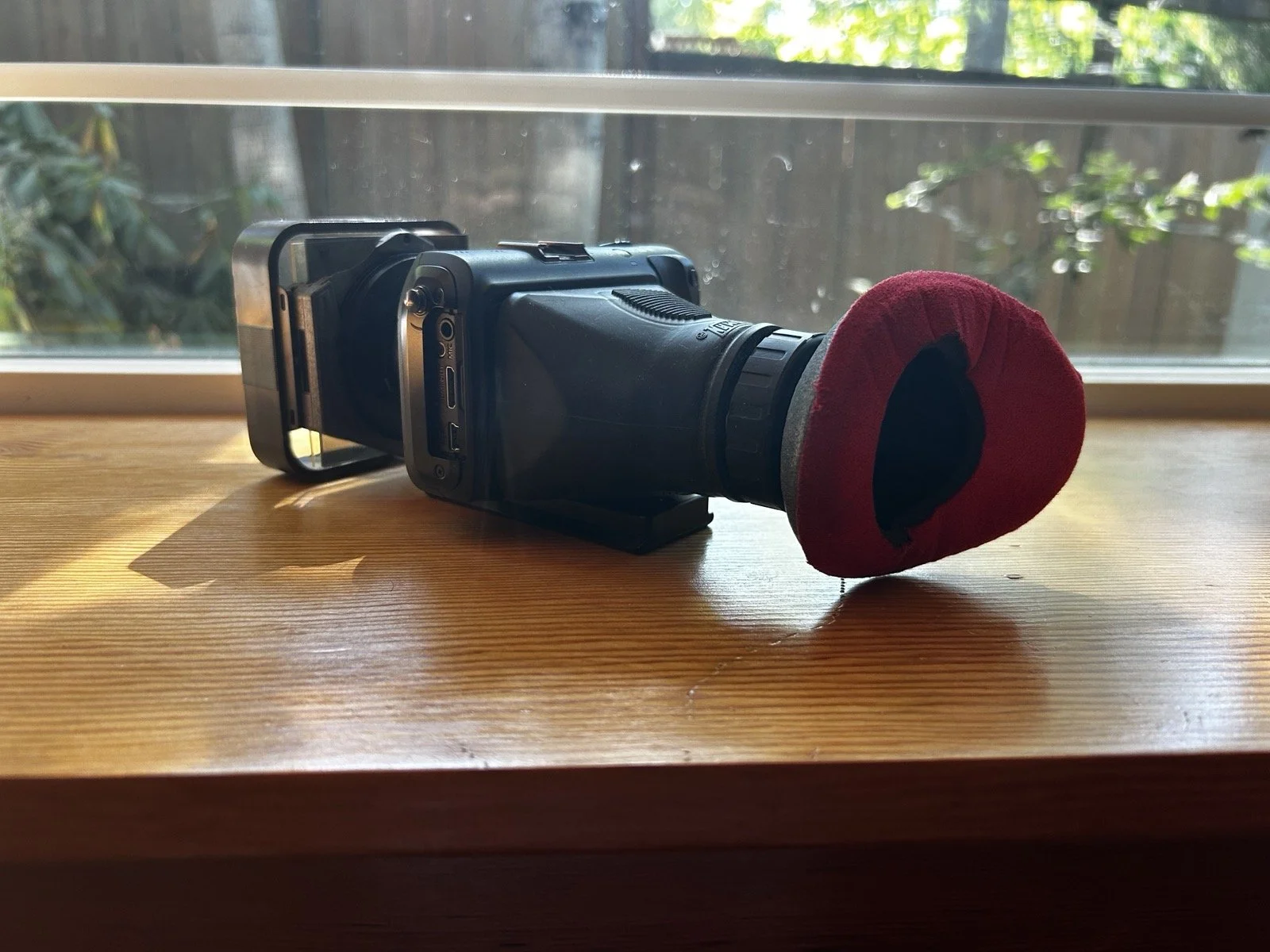
I really like the old Cokin-A resin filters as a cheap filter solution for small lenses (in this case, a Kern Switar). The Hoodman Hoodloupe and camera are held together by an arca swiss plate. I’ll add a timecode box in the hotshoe for audio.
You really don’t need all of this stuff to get great footage out of the M, as you’ll see on YouTube. A big part of the camera's appeal is how inexpensive it is. If you’re going to spend money rigging it up, it would be a much smarter decision to buy a more fully-featured camera.
For me, I just really wanted to get these dialed in so that I can make a case to shoot with them more often versus my more modern cameras (I shot four shorts last year with my C70s, while looking longingly at the Ms and all of my interesting c-mount glass sitting on my shelf). I already had almost all of these bits and pieces leftover from the DSLR revolution. As expensive as this stuff was at the time, it’s all pretty much worthless now, so I’m glad to find another use for it in 2026.
*1620P mode only works when no monitor is connected to the camera.