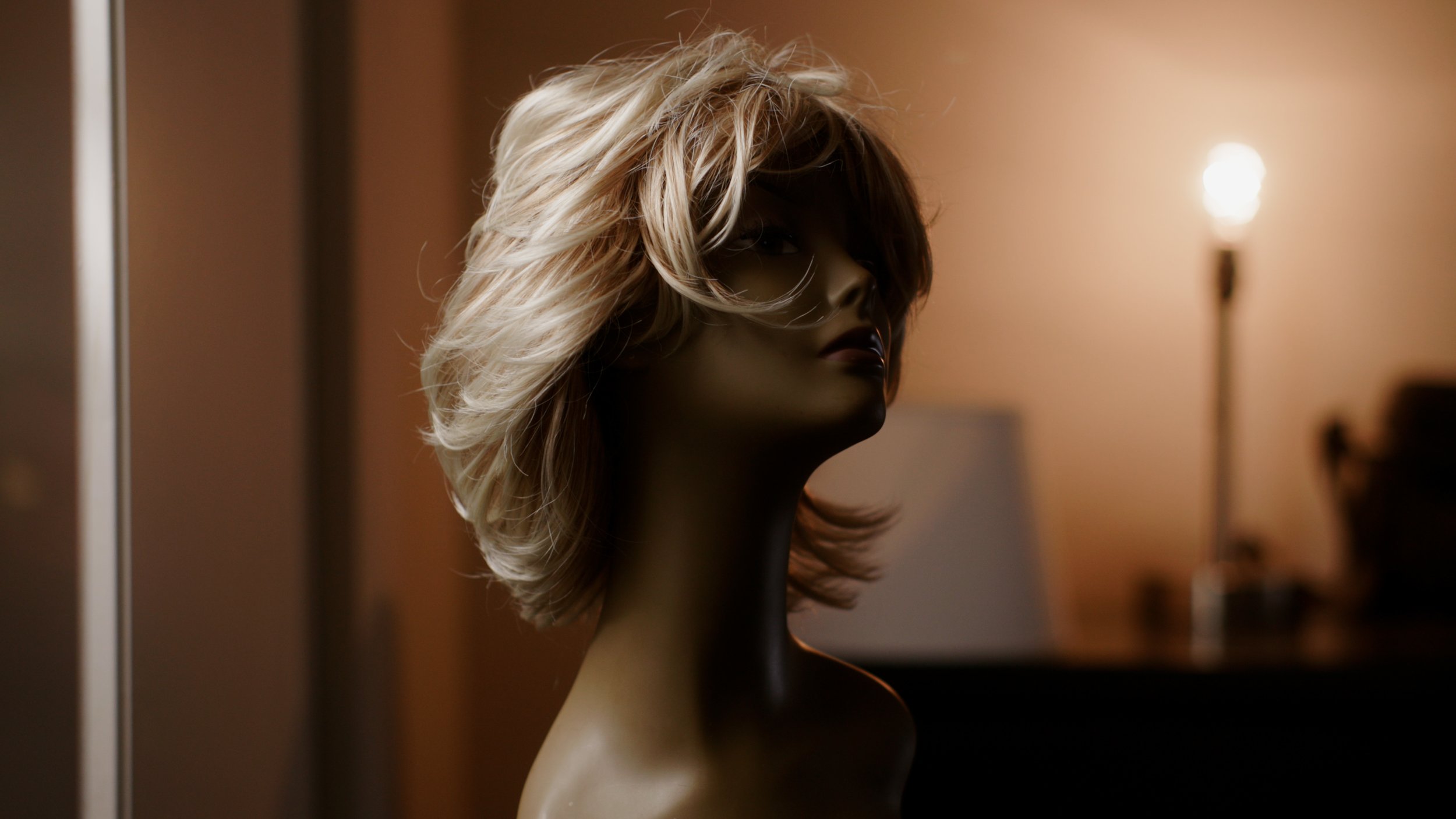
Rigging out the EOS-M: The only affordable Digital 16 camera

Other than the very rare and expensive Ikonoskop A-Cam dII, the Canon EOS-M is the only pixel to pixel, raw-capturing 16mm (not Super16) camera that can capture an area of the sensor that is very close to an actual frame of 16mm film.
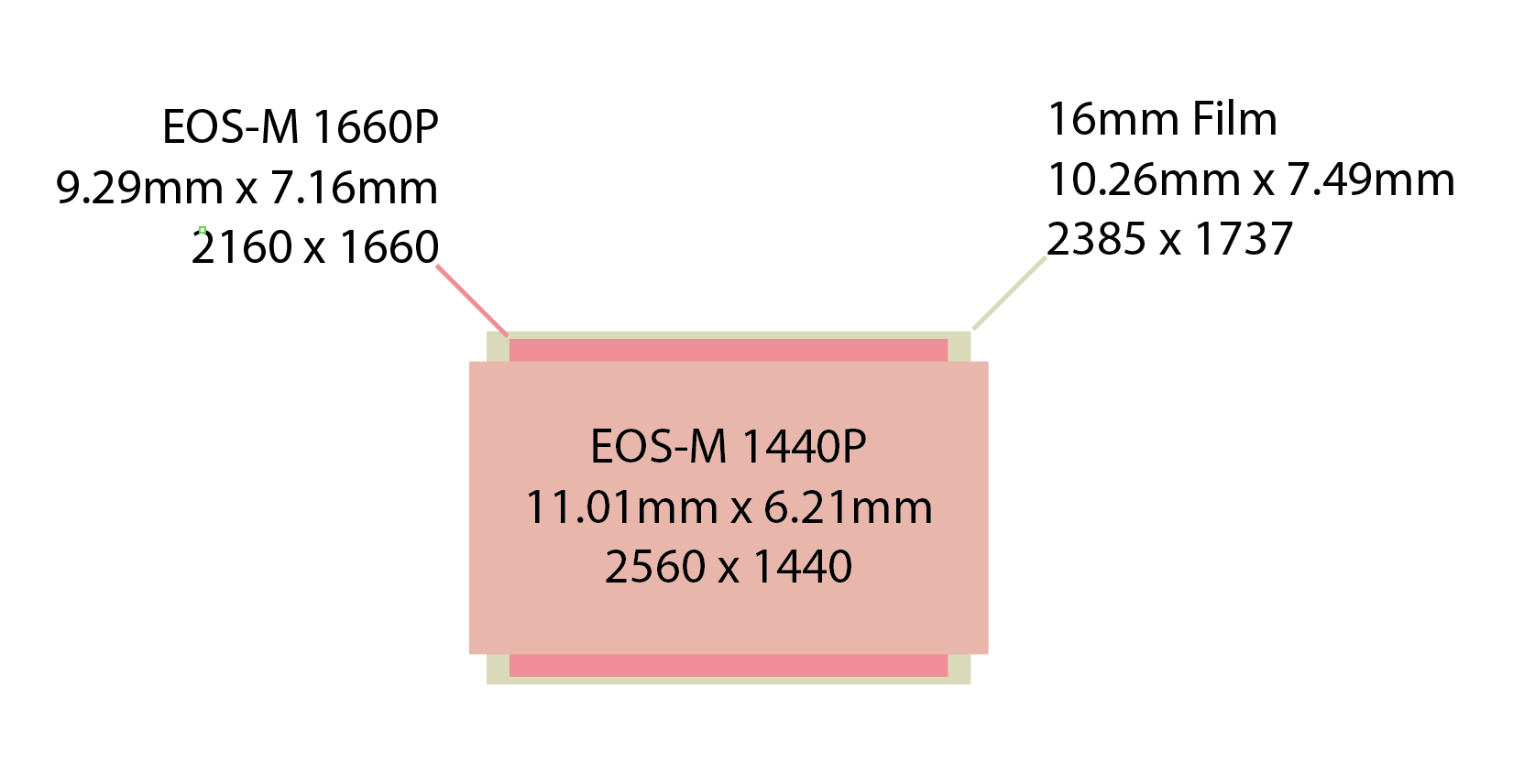
Why does this matter? True S16 lenses are uncommon and expensive, whereas 16mm film lenses are cheap and plentiful. Shooting 16mm film lenses on S16 digital sensors is almost guaranteed to give you vignetting and edge softness. 16mm film lenses paired with 1620P* and 1440P presets allow for full imager coverage, and an aesthetic that is almost indistinguishable from digital Super16.

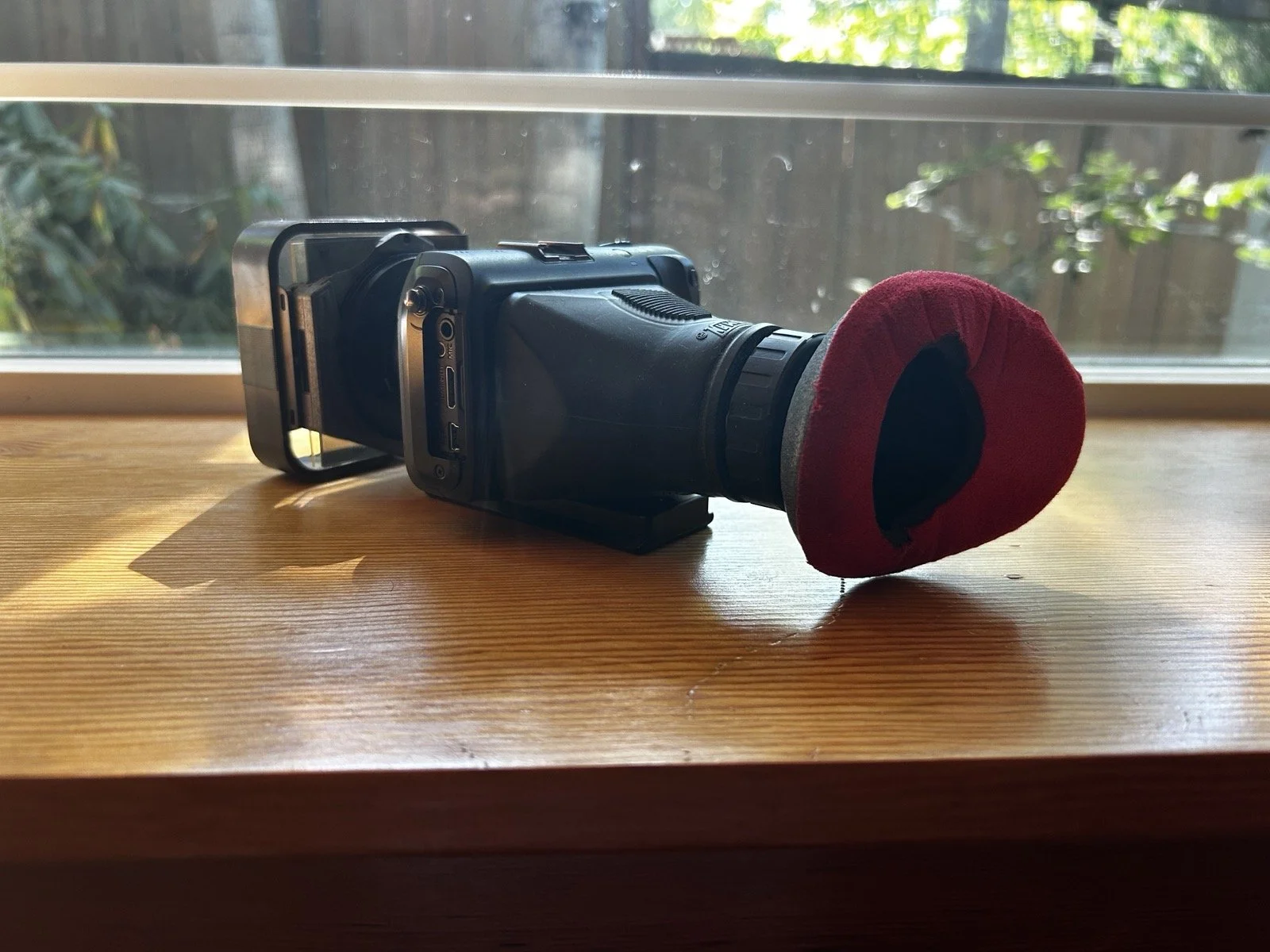
With this in mind, I’ve rigged out both of my EOS-Ms in a way that should stand up to the challenges of actual production.
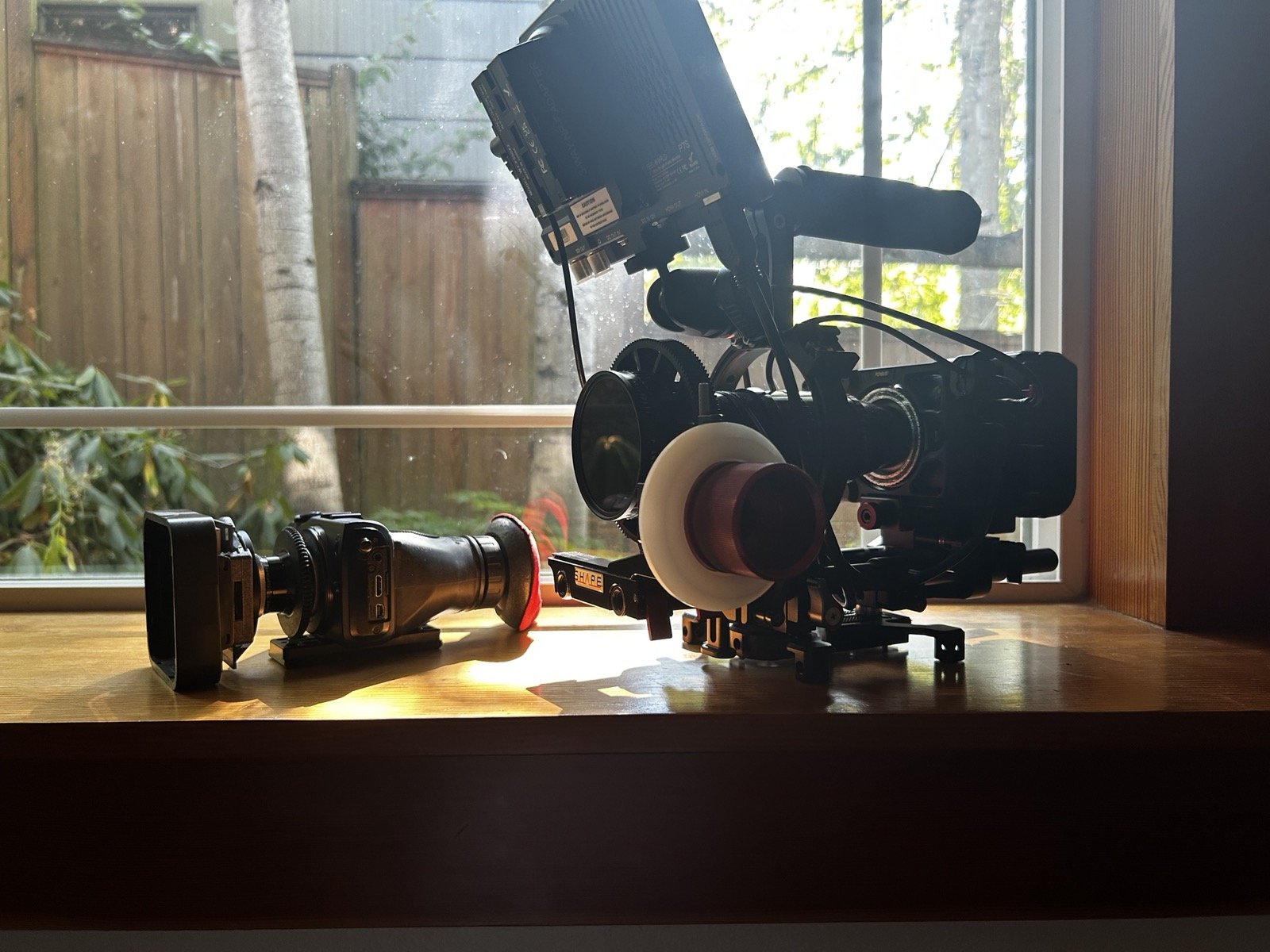
On the bigger rig, the lens is as an old Angenieux 16mm film zoom.
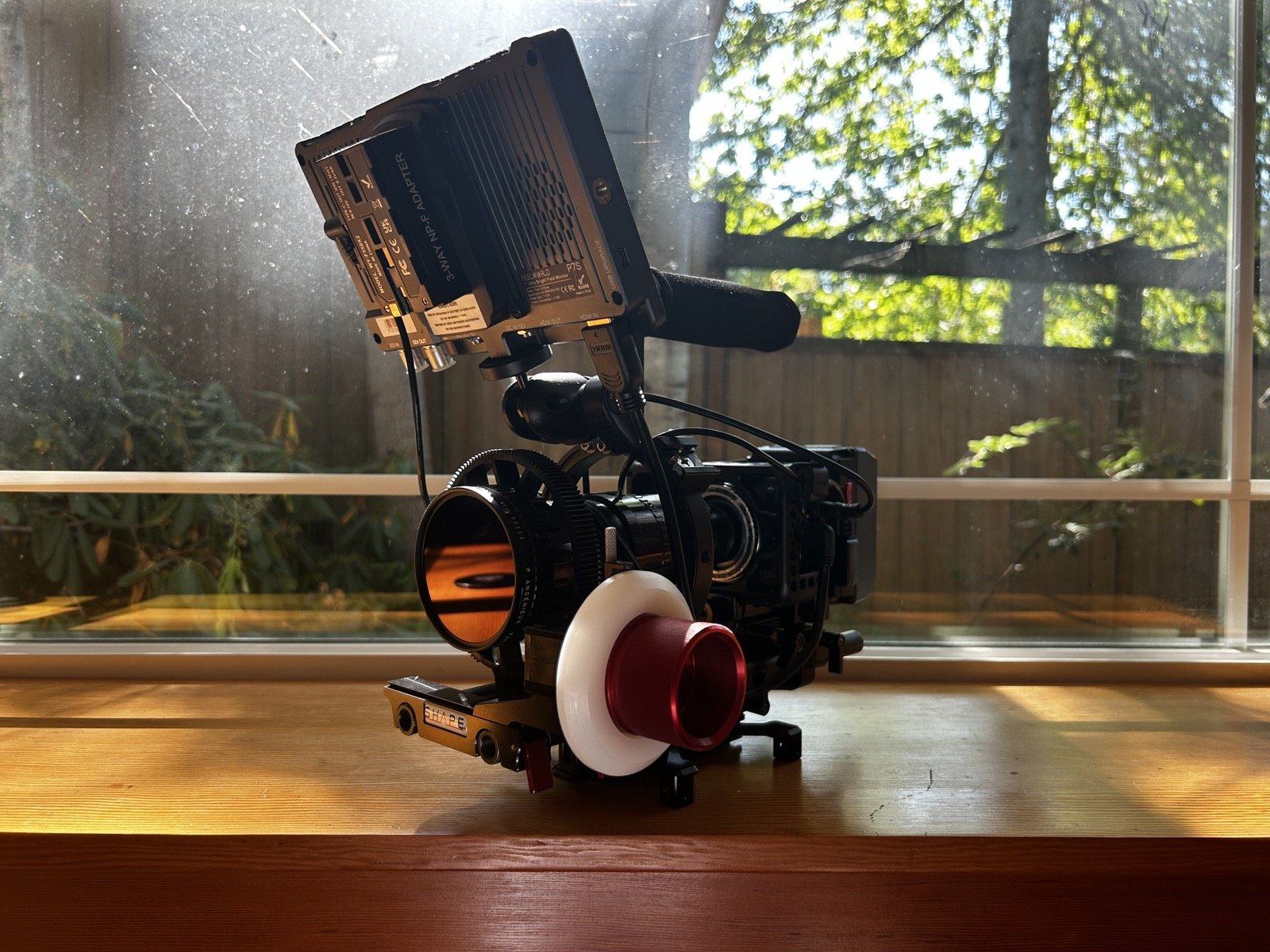
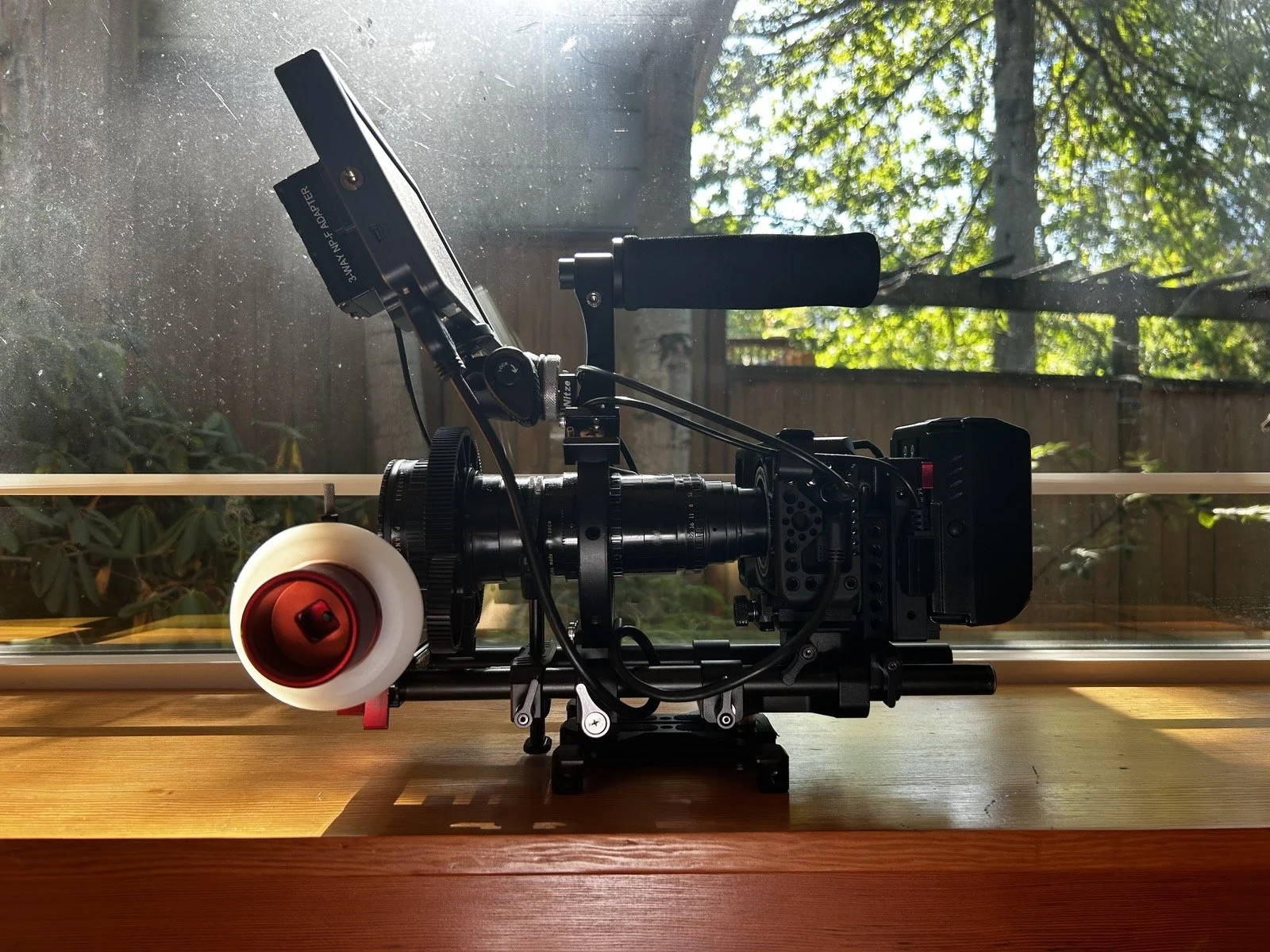
It was a challenge to balance it, especially with the follow focus. But luckily I already had some extra parts, including the unique Skiier O-ring. I’ve snugged the camera inside of a Filmatura Rogue cage with a few set screws so that there never will be any play, even with the longer lens.

The smaller rig is for when I need to be more nimble.
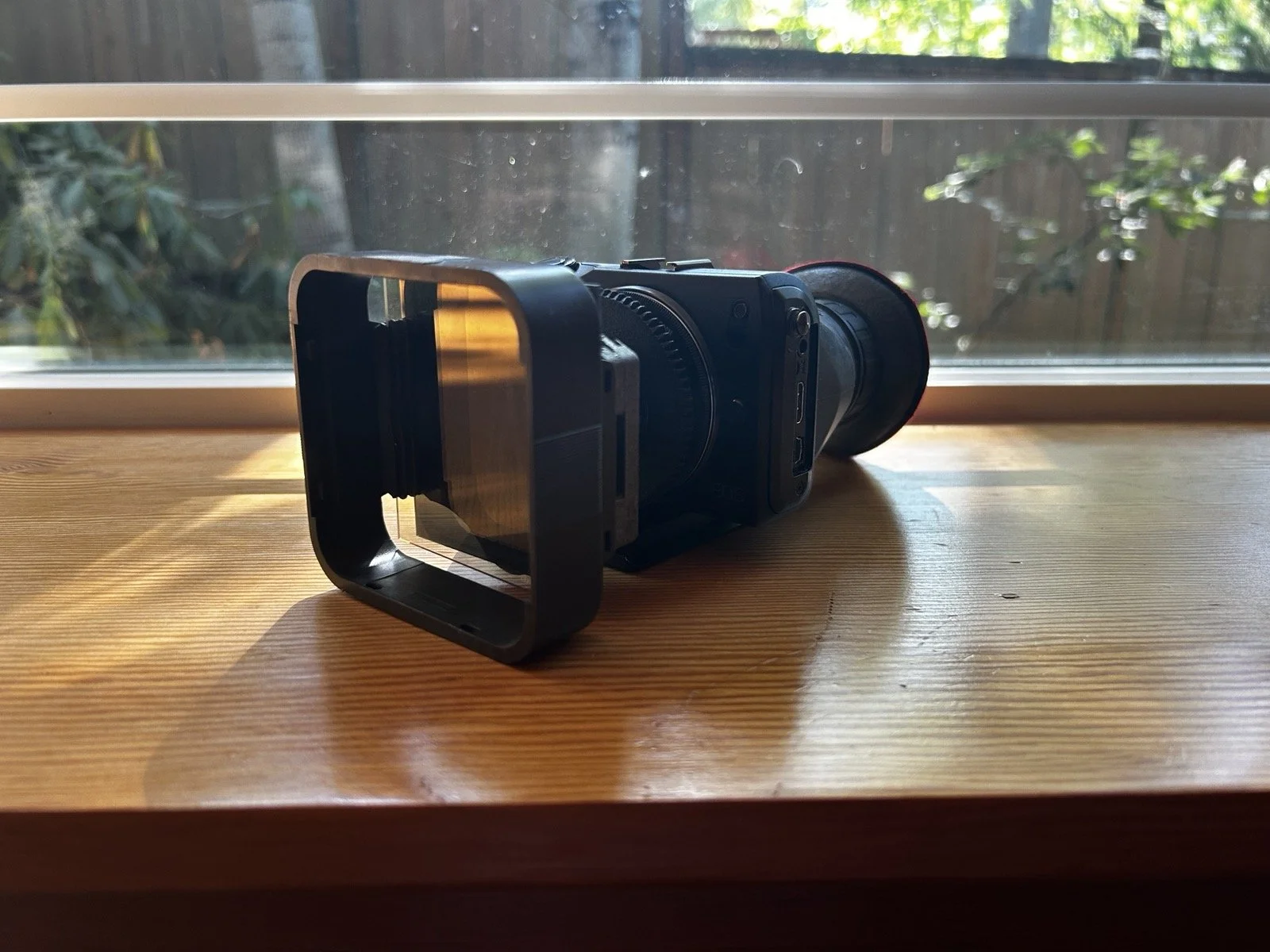
I really like the old Cokin-A resin filters as a cheap filter solution for small lenses (in this case, a Kern Switar). The Hoodman Hoodloupe and camera are held together by an arca swiss plate. I’ll add a timecode box in the hotshoe for audio.

You really don’t need all of this stuff to get great footage out of the M, as you’ll see on YouTube. A big part of the camera's appeal is how inexpensive it is. If you’re going to spend money rigging it up, it would be a much smarter decision to buy a more fully-featured camera.

For me, I just really wanted to get these dialed in so that I can make a case to shoot with them more often versus my more modern cameras (I shot four shorts last year with my C70s, while looking longingly at the Ms and all of my interesting c-mount glass sitting on my shelf). I already had almost all of these bits and pieces leftover from the DSLR revolution. As expensive as this stuff was at the time, it’s all pretty much worthless now, so I’m glad to find another use for it in 2026.


*1620P mode only works when no monitor is connected to the camera.
The State of Professional Video in Portland, OR — My Personal Perspective

I’m going to try something a little different with this post. I can only speak from my own experience, and I know it might be very different for others. If you are considering making Portland the next stop in your videography career, make sure to talk to as many other video professionals as possible.

Portland is truly one-of-a-kind, especially when it comes to access to nature. Whether you're into hiking, backpacking, kayaking, skiing, or snowshoeing, the opportunities are practically at your doorstep (side note: I was featured on Redfin’s Things to Do article for new residents of Portland, OR. Check out the blog article here.). That was a big part of why I decided to move here almost a decade ago, and it’s kept me here ever since.

But iff outdoor adventures aren’t your thing, and you’re not willing to trade a bit of your paycheck for this kind of lifestyle, you might find more lucrative opportunities in a "Tier 1" market. My colleagues who work in those cities seem to make several times what I do. But for me, the trade-off has been worth it.

The reality is that we only have two Fortune 500 companies with headquarters in this state. To put that in perspective, there were probably six Fortune 500 HQs in the business park where I used to work in Virginia. To make a living as a creative in PDX, you have be willing to take on mix of clients that includes small businesses and startups, and be prepared to adjust your pricing accordingly.

That said, there is work to be found, as long as you’re willing to hustle and have some savings to fall back on. The videography market, in particular, has felt a bit over-saturated these past few years. But now, with AI technology advancing, some videographers are shifting gears and exploring new career paths, which is helping keep those of us still working afloat.

Of course, there’s still the standard corporate, wedding, and real estate video work available, as you’d expect in any populated metropolitan area. Videographers who specialize in those areas never seem to have a hard time finding work.

But there are also a few niches here that stand out.

For example, if you can break into the sportswear industry with a focus on commercial production, there’s potential to do really well. Companies like Nike, Adidas, Columbia, and Keen often work with local agencies and local talent.

There’s an area south of Portland informally called the ‘Silicon Forest’, and there are some companies doing some interesting work in tech here. These companies have been a staple of my clientele throughout the years and I’ve been fortunate to foster many great working relationships in this area.

Activism has become synonymous with Portland and unsurprisingly, the city is also home to many great nonprofits, always on the lookout for fresh, compelling video content.

If you’re open to traveling, you might find that there’s a real need for professional videographers in places like Salem, Eugene, or Medford. I’ve personally been contacted many times about work in those areas of the state.

There is some high-end commercial work happening in Portland too. The key crew roles are brought in from places like LA or NYC, but you might be able to find work as a grip or gaffer.

Narrative filmmaking, on the other hand, seems to be a tough nut to crack here, at least if you are trying to make a full-time living at it. That being said, there’s a thriving and supportive independent film scene here. There are plenty of talented and friendly folks eager to collaborate on a film project with you. Just don’t expect much in the way of financial compensation.

So, that’s my take. This city may not be for everyone, but it works for me. Maybe it will work for you too!

A Great Digital "Super8" Camera - The Lumix FZ47

My beloved FZ47 rides again. This time it came with us on a weekend trip to Astoria, OR.

This camera is an excellent contender for achieving a Super 8mm aesthetic. The sensor is almost the exact same width as a frame of Super 8 film. The camera only captures 29.97 which works well in a 15fps sequence. The CCD offers global shutter as well as a long, fixed Leica lens. The camera can even capture 640x380 for a true 4:3 experience. It works well with a pistol grip and the tiny electronic viewfinder is not unlike that on some Super 8mm cameras.

I think it might be the most “fun” camera that I own. Highly recommended.

Tiffen Soft FX Filters


These days, it seems like a lot of people are using Black Pro Mist filters. If I’m honest, I’ve never been into the look. It makes my eyes work harder to focus, rather than allowing my brain to accept that the world in the video I am watching is a little softer and a little more mysterious. I realize that that is a highly subjective statement.

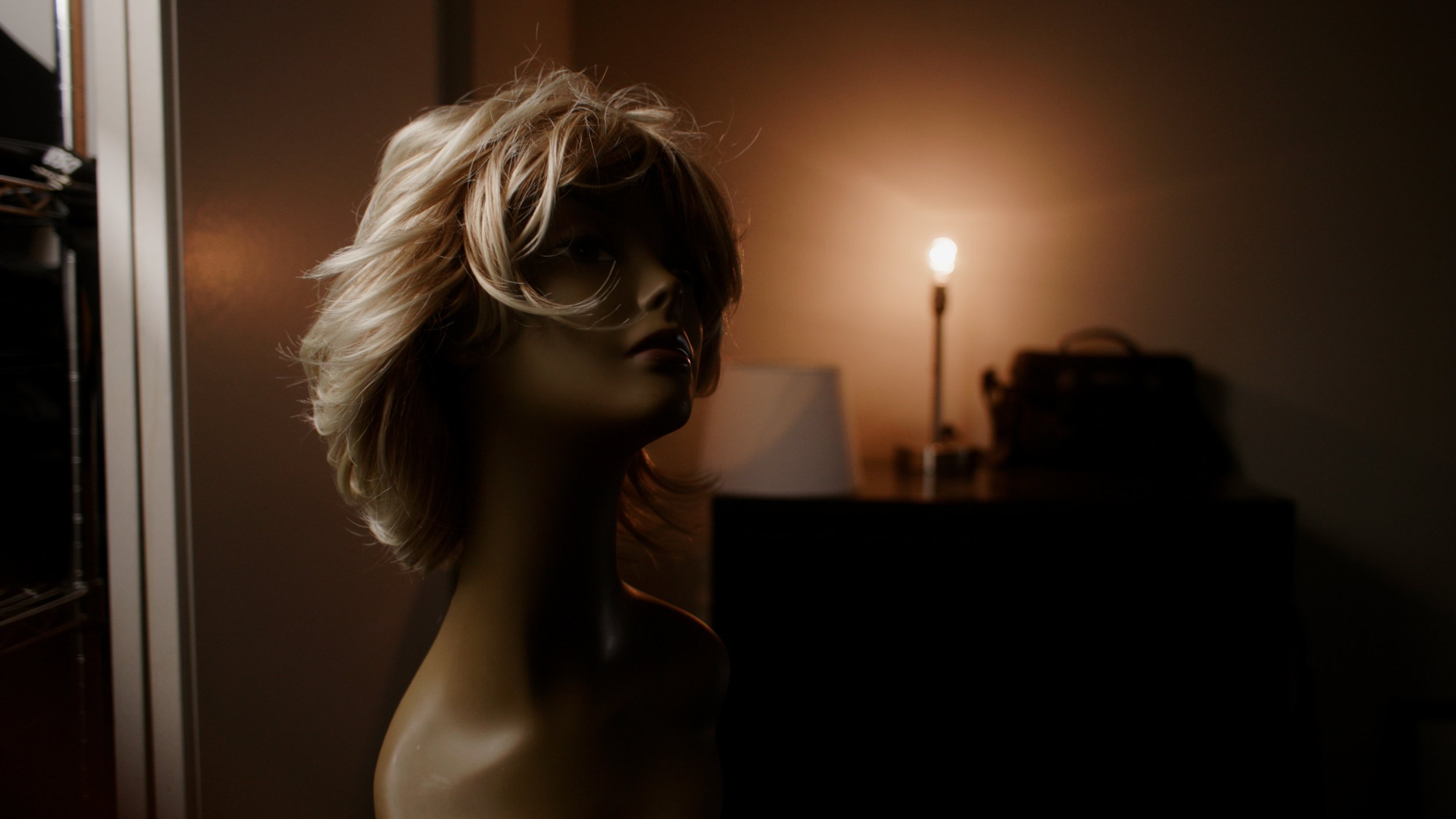
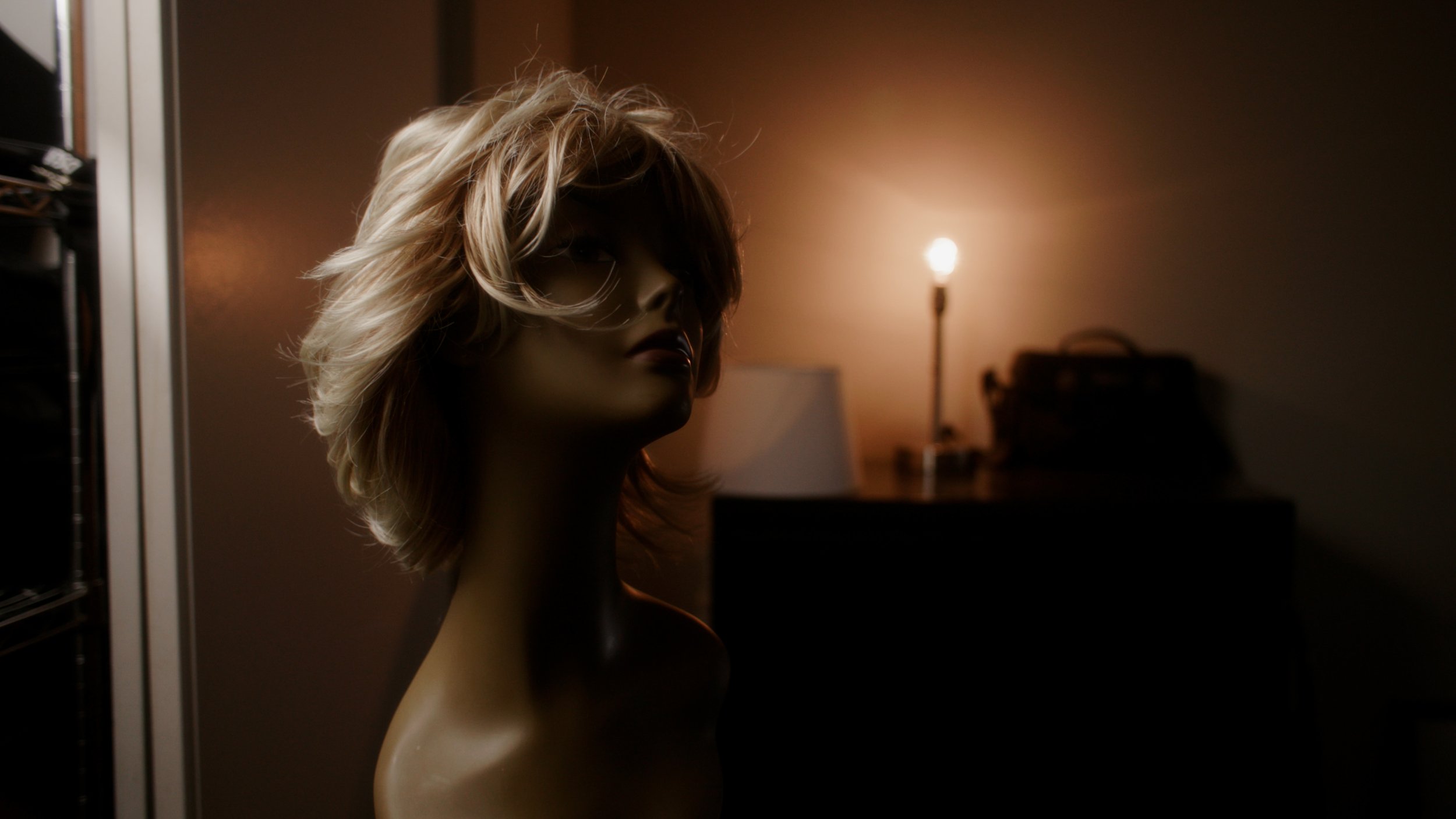
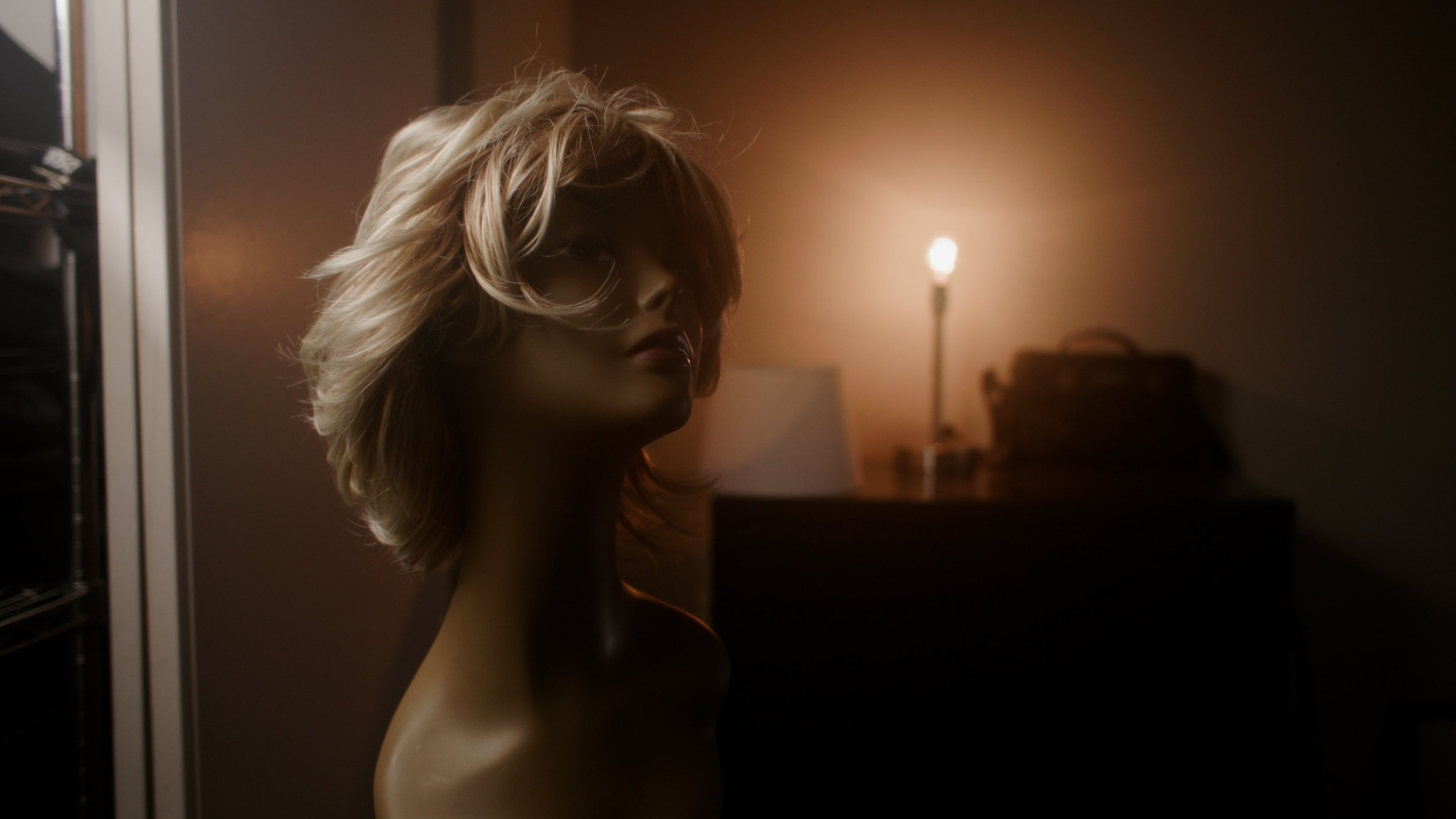
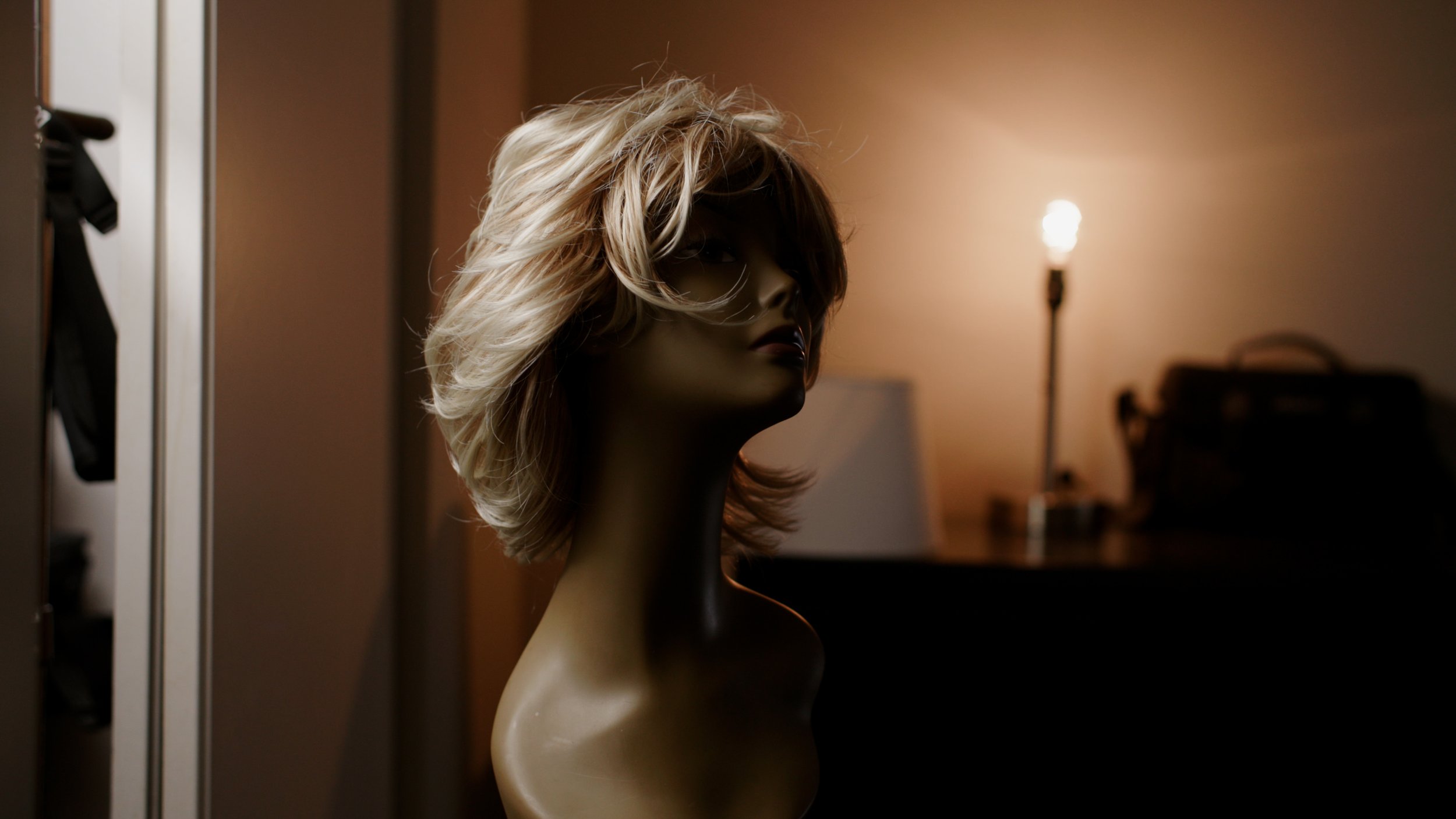
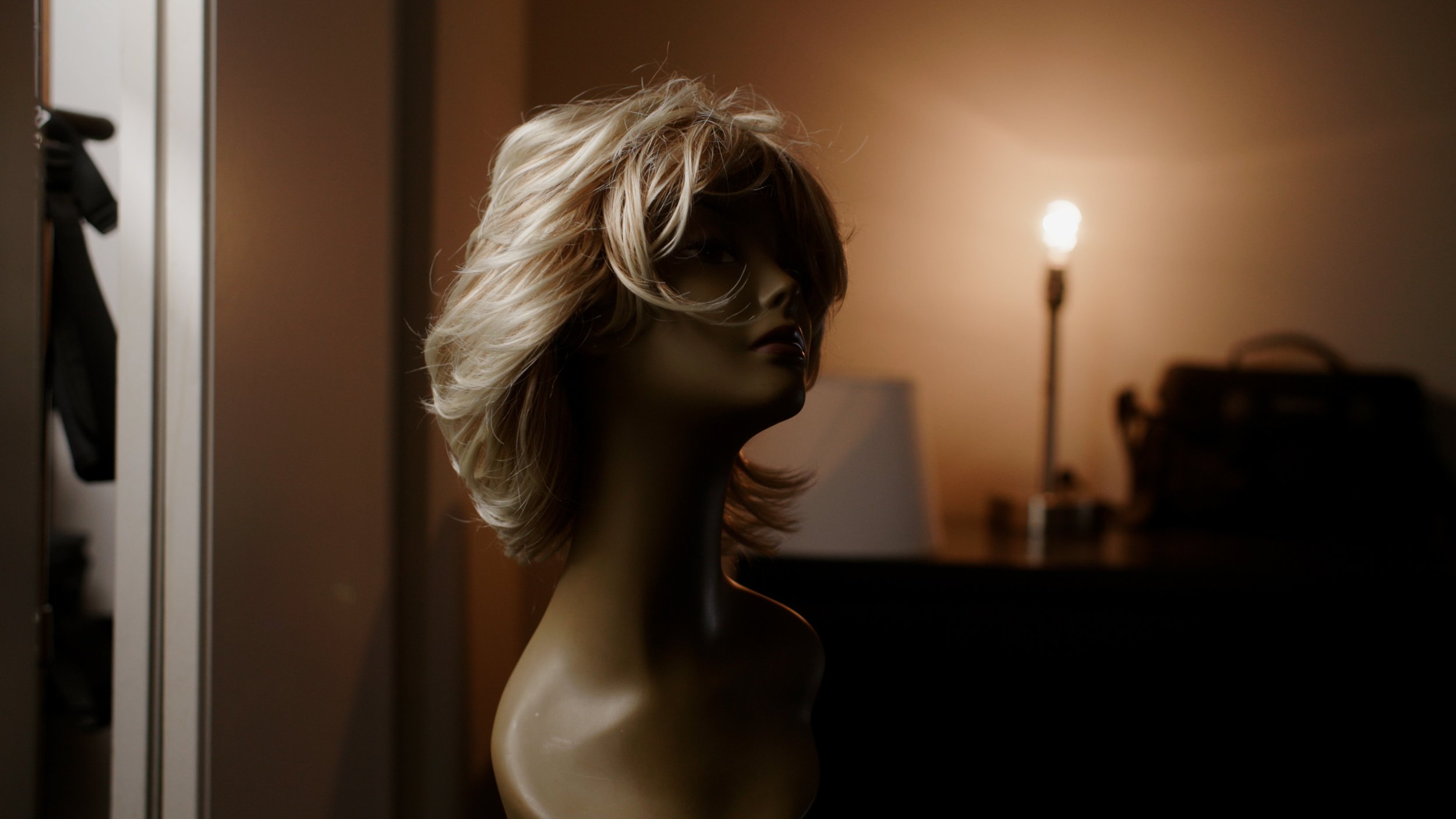
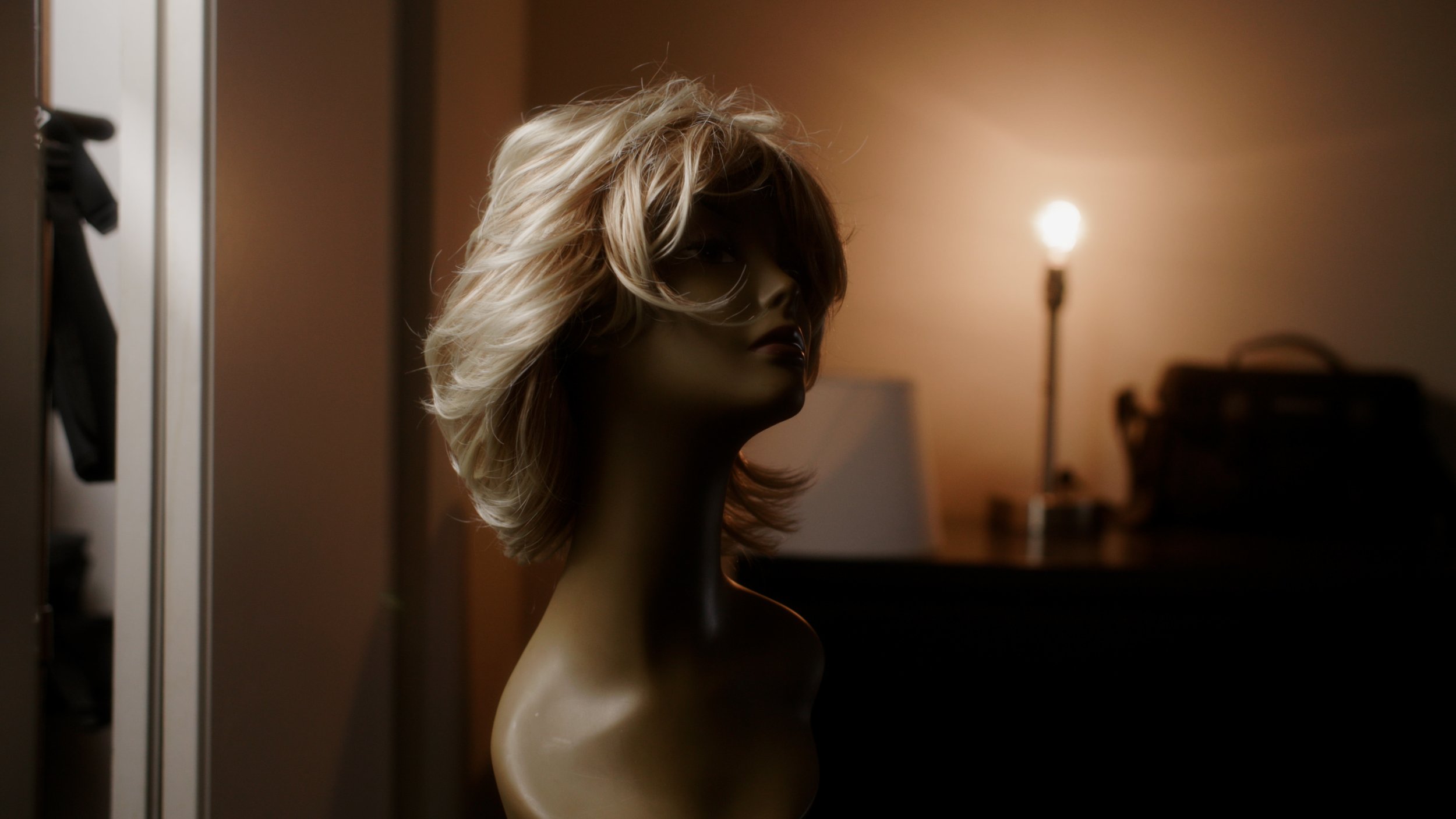
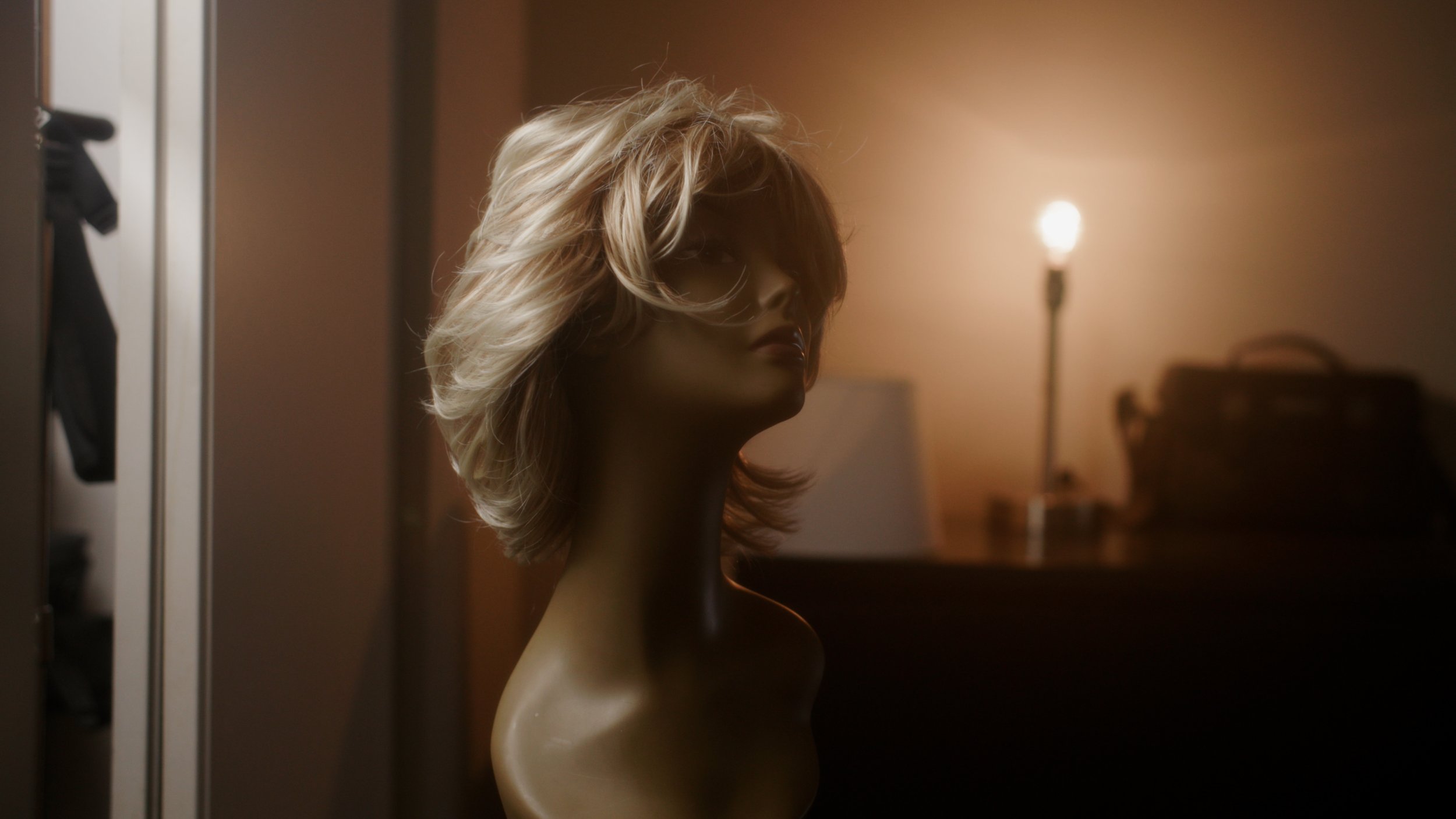
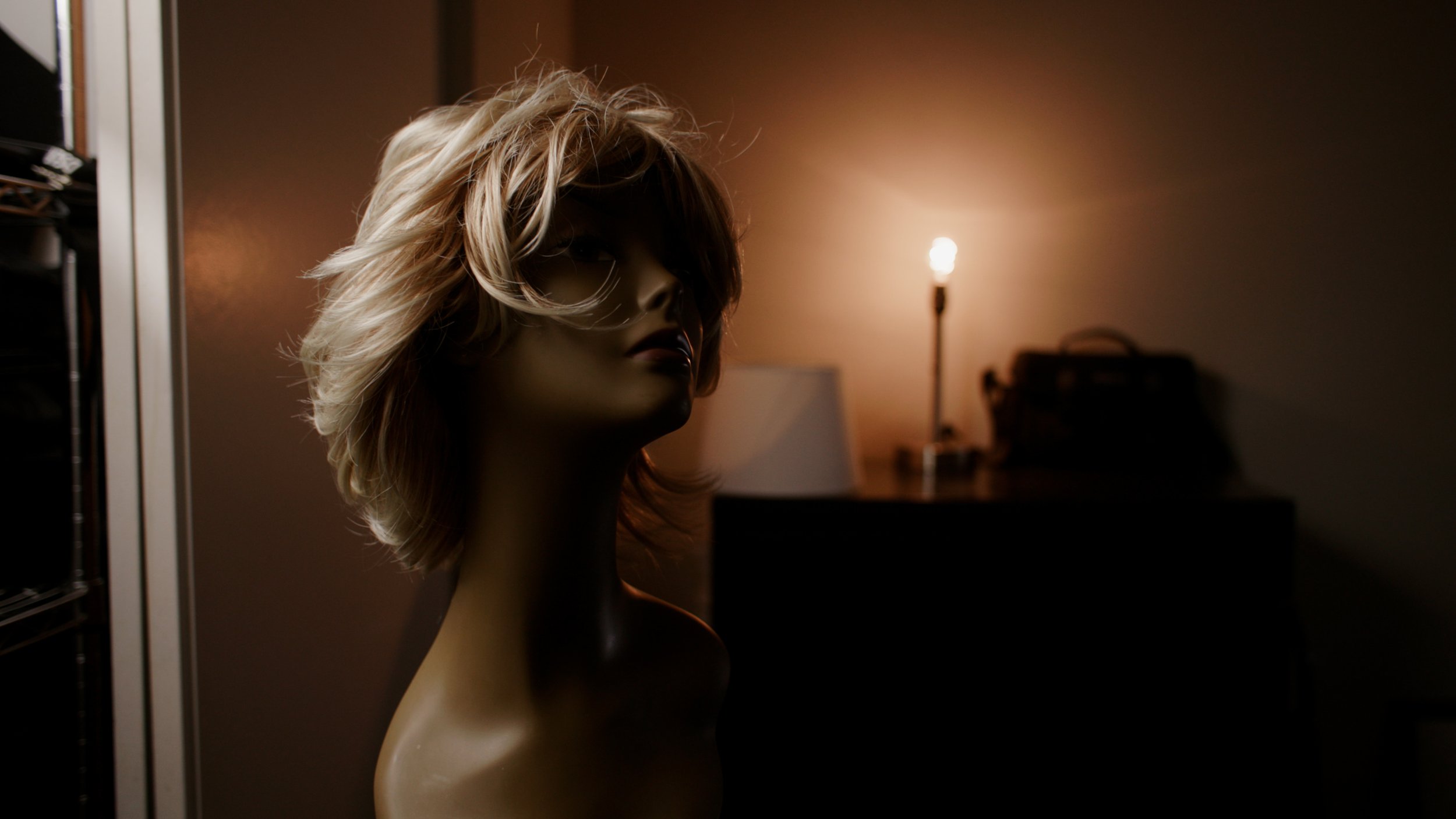
But that’s not say that filters don’t add something. I’ve been some research and liked what I was seeing from Tiffen Soft FX filters, so I purchased a set of three (Soft FX1, FX2, and FX3) and put them on trusty Nikkor primes and set up a moody scene to see what I would get.

Rather than using higher strength filters with higher focal lengths, I was surprised to find that I really liked Soft FX2 best at all three focal lengths. Soft FX1 is barely noticeable, and Soft FX3 is a little too dreamy, but Soft FX2 is just the right balance of sharpness, mystery, and a little additional halation around the point source without being overwhelming. At least to my eye.

It’s hard to view in this gallery view. You may have better luck opening each image in a new tab and clicking between them.

My first roll of motion picture film

My first roll of motion picture film ever, shot two months ago during our visit to the Painted Hills. This is something I’ve wanted to do since I was twelve but it always seemed out of reach. No longer!

This shoot was spontaneous and unplanned. We’d camped nearby so that we could catch sunrise over the Painted Hills. Joanna wanted coffee, so I decided to grab my new, untested camera not knowing if it would even deliver an image. Since the sun was rising so quickly, I relied on the 40+ y/o auto-exposure and it (amazingly) worked like a charm. 2.5 minutes of film sure does go by quickly! I enjoyed the experience and the unique look that this process delivers.

Elmo Super 110R with Kodak Vision3 50D
Processed by CineLab
Scanned in 2K HDR by Gamma Ray Digital